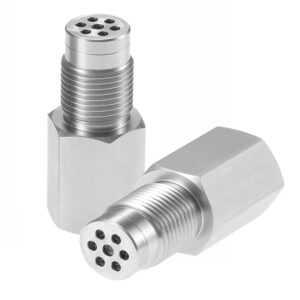

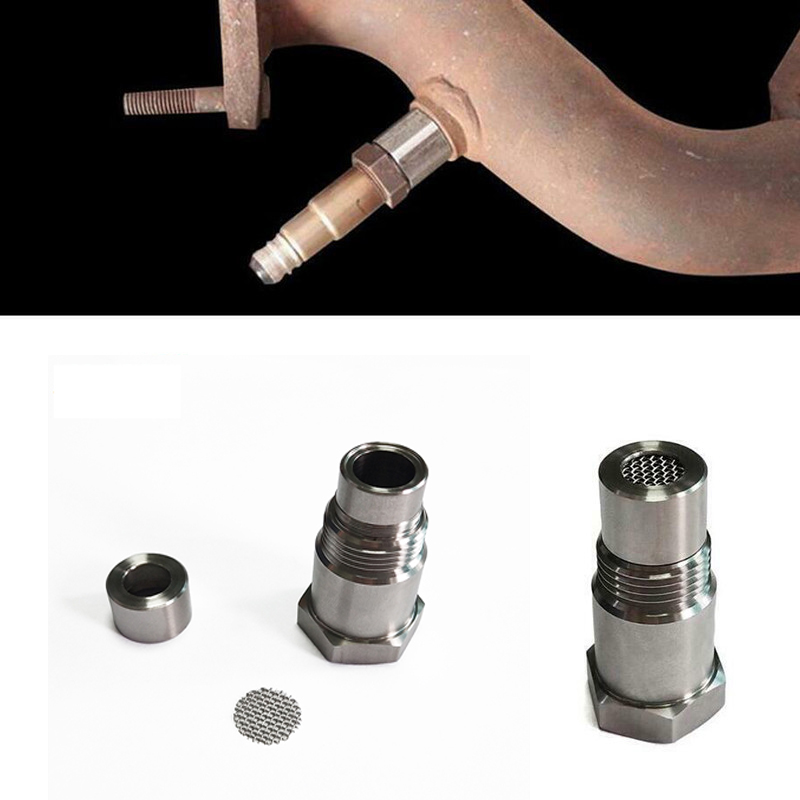

The Rear Oxygen Sensor Spacer Extension Adapter is a must-have for vehicle owners who have modified their exhaust systems or are dealing with persistent "Check Engine" lights related to catalytic converter efficiency.
This adapter acts as a buffer, extending the distance between the $O_2$ sensor and the exhaust stream to ensure stable readings and prevent error codes.
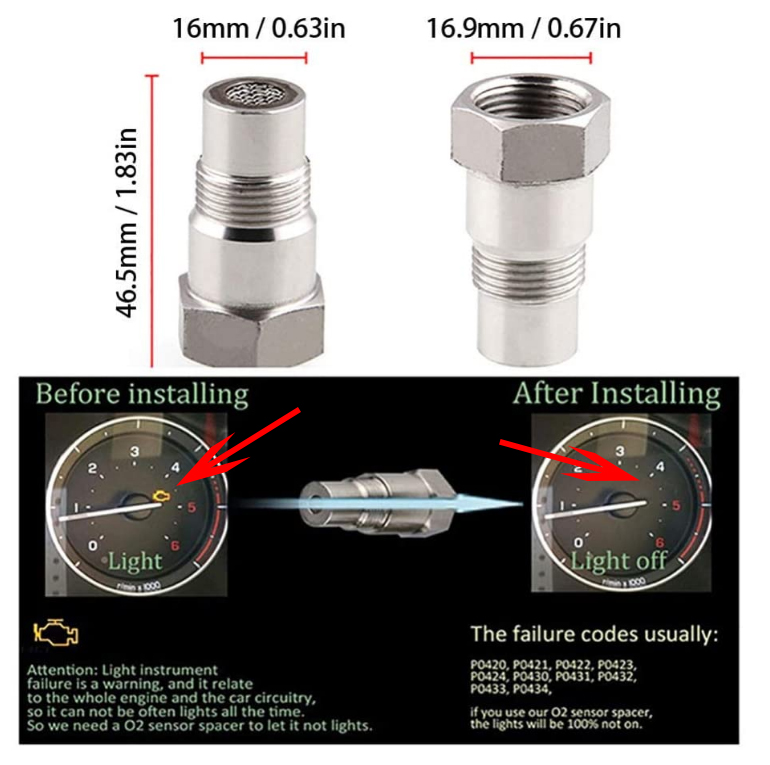
CEL Fix (Check Engine Light): Specifically engineered to eliminate P0420 and P0421 codes by "spacing" the sensor out of the direct blast of exhaust gases.
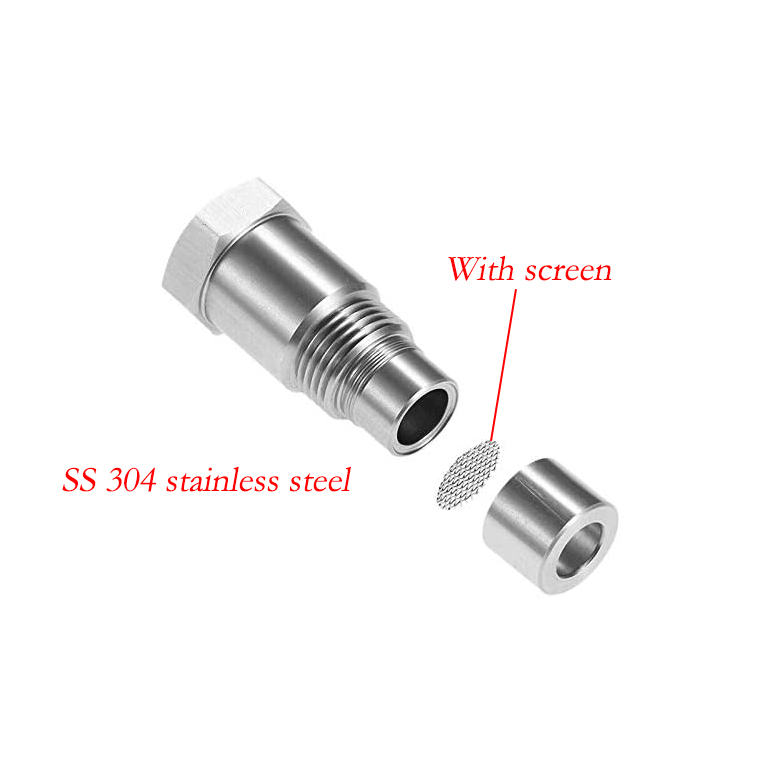
Integrated Micro Catalyst: (For the model in your photos) Unlike hollow spacers, this version features a built-in miniature catalytic substrate that filters the air reaching the sensor for 99% accuracy.
Heavy-Duty Construction: CNC-machined from high-grade 304 Stainless Steel to withstand extreme exhaust temperatures and prevent rust.
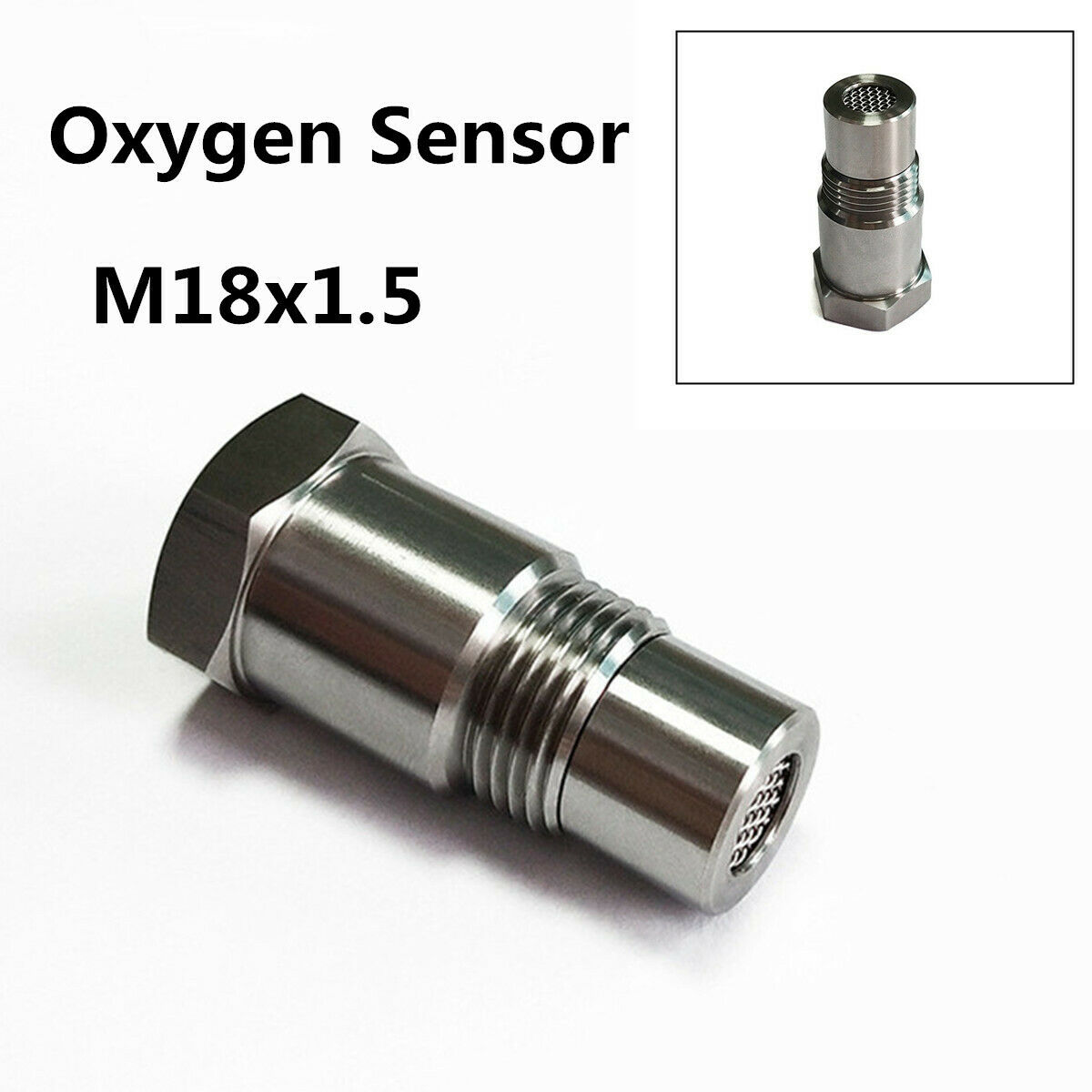
Standard Threading: Features universal M18 x 1.5 threads, making it compatible with almost all modern passenger and light-commercial vehicles.
| Feature | Specification |
| Material | T304 Stainless Steel |
| Thread Type | M18 x 1.5 |
| Length | ~45mm (Standard Extension) |
| Internal Feature | Built-in Micro Catalytic Converter |
| Finish | High-Polish Anti-Corrosion |
If you have recently installed a high-flow exhaust, a "downpipe," or if your original catalytic converter is beginning to fail, your car’s ECU will likely trigger a warning light and may even reduce engine power (Limp Mode).
This spacer provides a physical and chemical workaround that allows the sensor to report "clean" data to the computer, keeping your dashboard clear and your engine running smoothly.
Plug & Play: Simply unscrew your current rear $O_2$ sensor, screw the adapter into the exhaust bung, and then screw the sensor into the adapter.
Pro Tip: Always apply a small amount of copper-based anti-seize to the threads before installation. This prevents the adapter from seizing due to the high heat cycles common in the Ugandan climate.
Note: Designed for the Downstream (Rear) sensor only. This should not be used on the Upstream (Front) sensor, as that sensor is critical for managing your fuel-to-air ratio.